Big Cartel wins fans for a simple reason: it lets artists and makers open a store for free, keeps its paid plans cheap, and never takes a cut of sales. After comparing it against every major store builder on pricing, features, and room to grow, though, the ceilings become hard to ignore.
Even the top Diamond plan caps you at 500 products, selling digital goods requires a paid third-party app, and there is no built-in blog or email marketing. If any of that sounds familiar, Shopify is the best Big Cartel alternative for most sellers, thanks to unlimited products, an unmatched app ecosystem, and tools that scale from first sale to full-time brand.
Shopify is not the only option worth your attention, though. Depending on what you sell and how big you want to get, a creator-focused platform like Sellfy or Payhip, a free option like Square Online, or a plugin like WooCommerce might fit better. Below, you will find all ten alternatives compared in detail, with verified pricing, honest pros and cons, and a clear picture of who each platform suits.
Best Big Cartel Alternatives at a Glance:
- Shopify: Best overall Big Cartel alternative for growing stores
- Wix: Easiest store builder for beginners
- Squarespace: Best designs for creative sellers
- BigCommerce: Best built-in features for scaling brands
- Square Online: Best free plan for online and in-person selling
- Ecwid: Best for adding a store to an existing website
- Sellfy: Best for creators selling digital and print on demand
- Payhip: Best free option for digital products
- Shift4Shop: Best value for US merchants
- WooCommerce: Best for WordPress site owners
Big Cartel Alternatives Compared
| Platform | Starting Price | Free Option | Product Limit | Platform Transaction Fees | Best For |
|---|---|---|---|---|---|
| Shopify | $39/mo (Basic), $29/mo billed annually | Free trial only | Unlimited | 0% with Shopify Payments, 0.5% to 2% with third-party gateways | Growing stores of any kind |
| Wix | $29/mo (Core) | Free plan (no selling) | Up to 50,000 | None | Beginners who want easy design |
| Squarespace | $16/mo (Basic, billed annually) | 14-day trial | Unlimited | 2% on Basic, 0% on Core and above (physical goods) | Design-led creative sellers |
| BigCommerce | $39/mo (Core) | 15-day trial | Unlimited | None | Feature-hungry scaling brands |
| Square Online | Free; $49/mo (Plus) | Free plan | Unlimited | None (processing from 3.3% + 30¢ online on the free plan) | Blending online and in-person sales |
| Ecwid | $5/mo (Starter) | None (Starter is $5/mo) | 10 to unlimited by plan | None | Adding a store to an existing site |
| Sellfy | $29/mo, $22/mo billed annually | 14-day trial | Unlimited (annual sales caps apply) | None | Creators selling digital and POD |
| Payhip | Free (5% fee per sale) | Free plan, all features | Unlimited | 5% (Free), 2% (Plus), 0% (Pro) | Digital downloads and courses |
| Shift4Shop | Free for US merchants on Shift4 Payments; paid from $29/mo | Free End-to-End plan (US) | Unlimited | None | US sellers who want maximum value |
| WooCommerce | Free plugin (hosting costs apply) | Free, open source | Unlimited | None | WordPress site owners |
Key Takeaways
- Shopify is the best all-around upgrade from Big Cartel, removing every product cap and adding thousands of apps, though it costs more at $39 per month for Basic.
- You can still sell for free. Square Online, Payhip, Shift4Shop (for US merchants), and WooCommerce all offer genuinely free ways to run a store.
- Digital sellers save the most by switching. Big Cartel needs the paid Pulley app for digital products, while Sellfy and Payhip handle downloads, courses, and subscriptions natively.
- Watch the fee structures. Big Cartel never takes a cut of sales, and neither do BigCommerce, Sellfy, Ecwid, or Shift4Shop. Payhip’s free plan charges 5% per sale, and Squarespace’s cheapest plan adds 2%.
1. Shopify
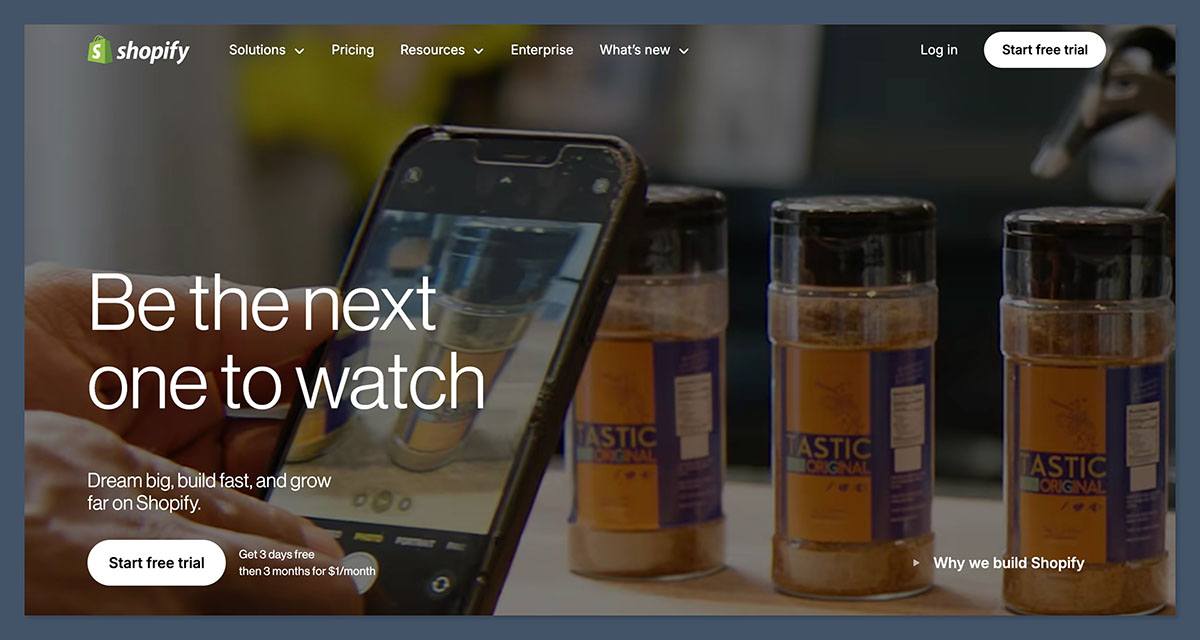
Widely considered to be one of the top industry players today, Shopify is a natural and powerful Big Cartel alternative. Although more expensive ($14/mo. To $179/mo.) in comparison, the rich set of Shopify’s features coupled with ease of use will probably make it a worthwhile option for most ecommerce needs.
Shopify is one of the best-known solutions for building an online store in the world today. If you want an eCommerce solution that’s brimming with functionality from start to finish, this is the product for you. Companies can choose to sell physical products, or services, depending on their needs, and you get hosting included in the price.
Shopify is a more customizable solution for online selling than many of the competing products out there. One of the biggest reasons for this is the amazing app market offered by the store service. You can easily access a range of built-in apps and integrations and expand the potential of your store in seconds.
Pricing 💰
Shopify is one of the more affordable tools on our Big Cartel alternatives list. If you just want to add shopping functionality to your existing store, you can use the “Lite” function. Alternatively, if you’re looking for something more comprehensive, why not use the $29 Basic or $79 full Shopify package?
Pros 👍
- Excellent hosted ecommerce with tons of speed
- Multi-channel ecommerce selling
- Lots of add-ons and integrations
- Various customization options
- Good range of packages to choose from
Cons 👎
- Not the most intuitive for ordering
- Some limitations to app management
2. Wix Ecommerce
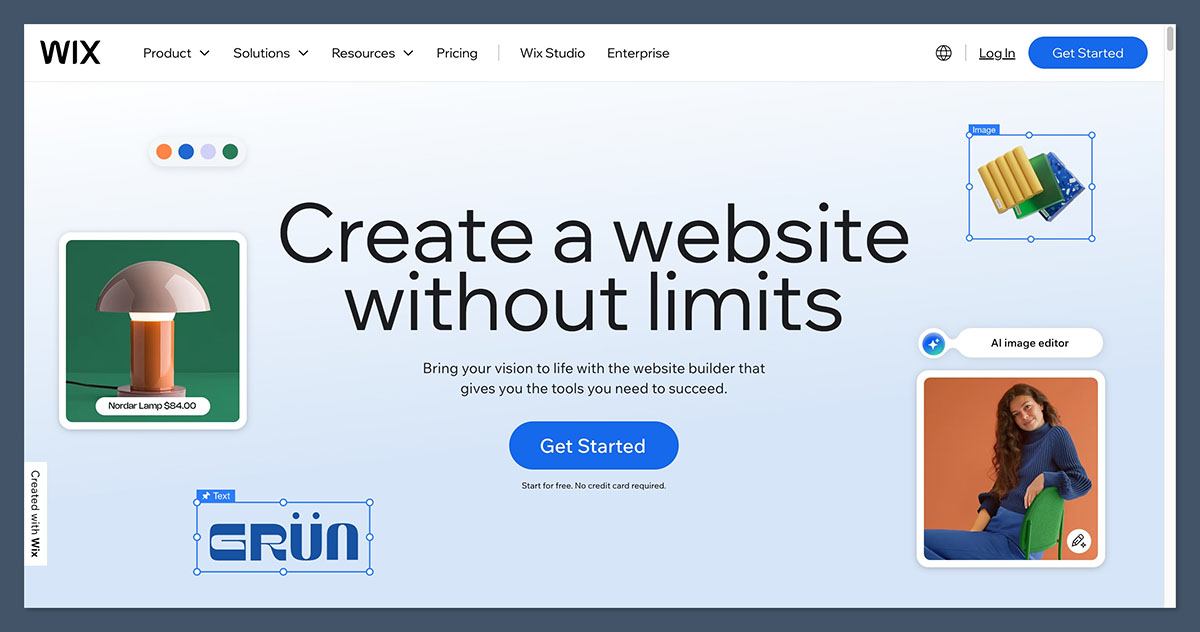
Wix stands out as our top choice for building an online store, because it’s so easy to use, immersive, and packed with fantastic features. Wix is a flexible website builder that avoids any of the complex technology that might hold a standard store owner back.
With Wix, you get access to incredible tools like an AI system that can assist you in choosing the best design for your website. You’ll also be able to make various changes to your stie based on your brand, like adding different colors or logos, or experimenting with themes through the drag-and-drop interface. All that, and it’s affordable too.
Pricing 💰
Wix pricing begins with a free trial, so you can experiment with some of the functionality before you dive in. There’s a cheap beginner package starting at around $13 per month, and this will allow you to accept online payments. Packages increase in price if you want more functionality, like access to upselling and cross-selling features.
Pros 👍
- Excellent hosting included
- Great range of mobile friendly designs
- AI access and immersive tools
- Lots of extra apps to choose from
- Very easy to use
Cons 👎
- Some limitations to product options
- Limited scale for some companies
Best for ✅
Wix stands out as a market-leading tool for virtually every business owner who wants to stand out online. You can use this state-of-the-art technology to launch online as quickly as possible, even if you’re just a small starting business.
3. Squarespace

Squarespace, over and above the standard ecommerce features, also packs some unusual extras that can come in quite handy for specialist professionals like musicians, artists, bloggers etc. You should definitely check it out as an alternative to BigCartel.
Squarespace can give you a fantastic entry point into the world of online selling, although it does have some limitations as a full service for online sales.
Pricing 💰
Pricing for Squarespace start at around $12 for a personal site, but this won’t give you access to any store functionality. You’ll need an eCommerce package, which starts at around $26 per month if you want to access transactions online.
Pros 👍
- Excellent range of templates
- Fantastic SEO functionality
- Decent range of pricing options
- Lots of customizations to choose from
- Various extra features
Cons 👎
- Better suited to blogging than sales
- Limited for scalability
Best for ✅
Squarespace is a great alternative to Volusion if you’re looking for a simple way to sell a few products from your website or blog. This probably isn’t the tool for you if you’re looking into building a large, scalable enterprise platform.
4. BigCommerce

With more than 100 in-built features aided by an even larger number of apps/add-ons, BigCommerce can certainly hold its own in terms of ecommerce platform features and popularity today. Despite the above-industry-average pricing ($29.95/mo. to $199.95/mo.), you should check it out as an alternative to BigCartel.
Among the most popular tools for online selling available today, BigCommerce is packed full of amazing features to fall in love with. This immersive solution for online sales allows merchants to scale their companies at speed. BigCommerce is brimming with technology like SSL encryption and PCI compliance to make selling safer too.
Through BigCommerce, you can unlock everything from professional looking templates to powerful analytics and insights that help you strengthen your position on the web. There’s even API access available for integration with the services you use most.
Pricing 💰
Like many alternatives to Big Cartel, the pricing for BigCommerce starts with a free 15-day trial, so you can get to know the functionality a little better. The standard pricing starts at $29.95 per month, with bigger packages available at $79.95 and $299.95.
Pros 👍
- Transparent monthly pricing
- SSL and PCI compliance
- Excellent range of segmentation options
- Lots of developer and integration access
- Apps and payment gateway options
Cons 👎
- Can be expensive to access all features
- Significant learning curve
Best for ✅
BigCommerce is a good choice if you’re looking for a highly scalable solution for online sales that can grow at the same speed as your business. There are tons of great high-level features to explore, particularly on more expensive plans.
5. Square Online

Not as well-known as some of the other Big Cartel alternatives on the market, Square Online is more common among people with offline businesses. The Square POS system is one of the best in the world, and the brand has plenty of customers using its card readers and payment options at all times. However, what you may not know is that you can also create a free store with Square Online.
If you’ve ever used the Square environment for inventory management, bookings, and payment processing, then you’ll feel right at home with Square Online. This website builder essentially allows you to take your offline business into the online world with excellent syncing for your inventory and customer information.
Square Online also allows users to increase functionality based on the industry they’re in or kind of store they’re trying to run. You can add things like Bookings for restaurants, for instance. Square also includes plenty of tools for things like watching your inventory, managing supply chains, and collaborating with team members.
Pricing 💰
Square Online is a popular choice among offline companies migrating into the online world, largely because it’s free to use. You can design your website without paying anything, but you will need to abide by the Square Online transaction fees. The fee is around 2.5% for every transaction, which might not seem like a lot of first, but can be annoying alongside other fees like payment processing costs.
Pros 👍
- Excellent for combining online and offline selling
- Free for beginners
- Easy environment for inventory management
- Lots of tools to explore
- Great AI functionality
- Small learning curve
Cons 👎
- Must use Square for payment processing
- Not the most advanced builder in terms of customization
Best for ✅
Square Online is definitely a great Big Cartel alternative if you’re looking for a way to transition your store into the online world. You can easily upgrade the functionality of your store when you need to and add extra elements depending on the kind of products and services you offer. Inventory syncing tools are a huge bonus too.
6. Ecwid
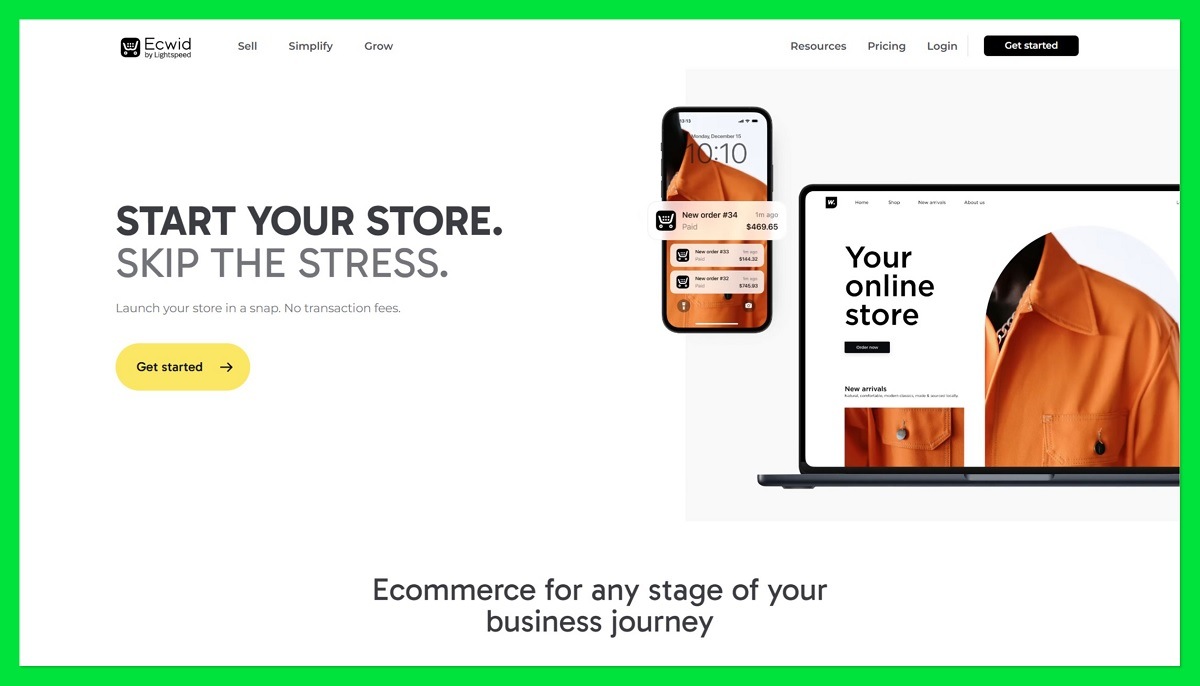
A popular choice for those in search of a convenient sales solution, Ecwid might not have the most customer support, but it’s great for getting online and selling in a range of environments. The Ecwid solution is an open-source plugin for small business sites. You can use it with tools like Drupal and WordPress. If you already have a site, Ecwid will give you the tools you need to start selling digitally.
Ecwid offers a flexible solution for online selling that ensures you can access all of the features of WordPress and other popular content management solutions with a highly customizable design, and a range of plugins. You won’t get as many built-in features like advanced inventory management like you might get with some of the other best big cartel alternatives, but you do get a simple and effective ecommerce site.
Pricing 💰
Pricing for Ecwid starts with a free package, where you can start selling through a range of different CMS solutions like WordPress in no time. The price you pay will go up depending on extra ecommerce software features, optimization elements, and tools.
Pros 👍
- Ideal if you already have a website
- User-friendly environment for web design
- Range of ways for retailers to sell products
- Accepts various credit card transactions
- No limit on product options
- Mobile app support
Cons 👎
- Not as much built-in functionality as other solutions
- Best-suited to smaller companies
Best for ✅
Ecwid is a great solution if you want to take payments and sell products online through a simple backend and interface. The offering will help you to stay ahead of the curve with a series of affordable and reliable features.
7. Sellfy
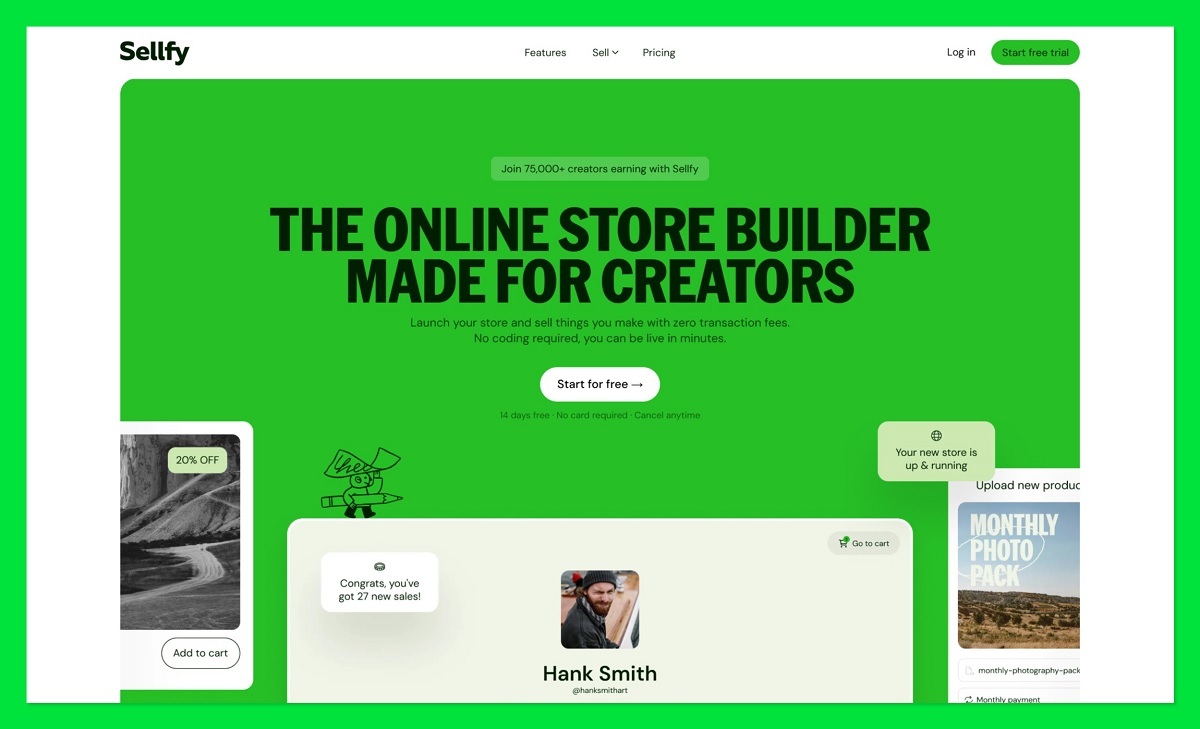
Sellfy aims itself at different types of creators who want to sell print-on-demand, digital, and/or subscription products. More than 60,000 creators use the platform, earning a combined total of $100,000,000.
Sellfy works in two ways: as a standalone online storefront or you can add a ‘Buy Now’ button to any website you already have.
Like many platforms on this list, Sellfy is fully customizable and can enable you to get your online store up and running in as little as five minutes. You can add and change logos, fonts, and colors and create layouts to match your brand. In addition, you can optimize your store to make it mobile-friendly and connect your own domain name.
Sellfy comes with built-in marketing features, including email marketing and discount codes. However, these features aren’t available on lower-priced plans.
Unlike other eCommerce platforms such as Shopify, Sellfy’s primarily a solution for creatives, musicians, artists, and online course creators. However, you’ll also find online store owners selling physical products on the platform.
The platform works with Zapier, so you can integrate with lots of other tools.
Pricing 💰
You can check out Sellfy with its 14-day free trial. After that, there are three plans, starting at $22 a month, with the Business plan costing $59 a month and the most expensive, the Premium plan, at $119 a month.
Pros 👍
- There’s a 14-day free trial with no credit card required.
- You can sell print on demand, digital, or subscription products.
- Your customers benefit from SSL secure payments.
- The paid plans include a generous amount of email credits – i.e., the number of emails you can send per month using Sellfy’s built-in email marketing feature.
Cons 👎
- Their website is a tad light on information
- You can’t remove Sellfy’s branding unless you upgrade to the Business plan
Best for ✅
Creators that want a platform they can use to get up and running in a short time. It’s also ideal for anyone wishing to sell digital products online (providing they have the budget for a paid plan).
8. Payhip
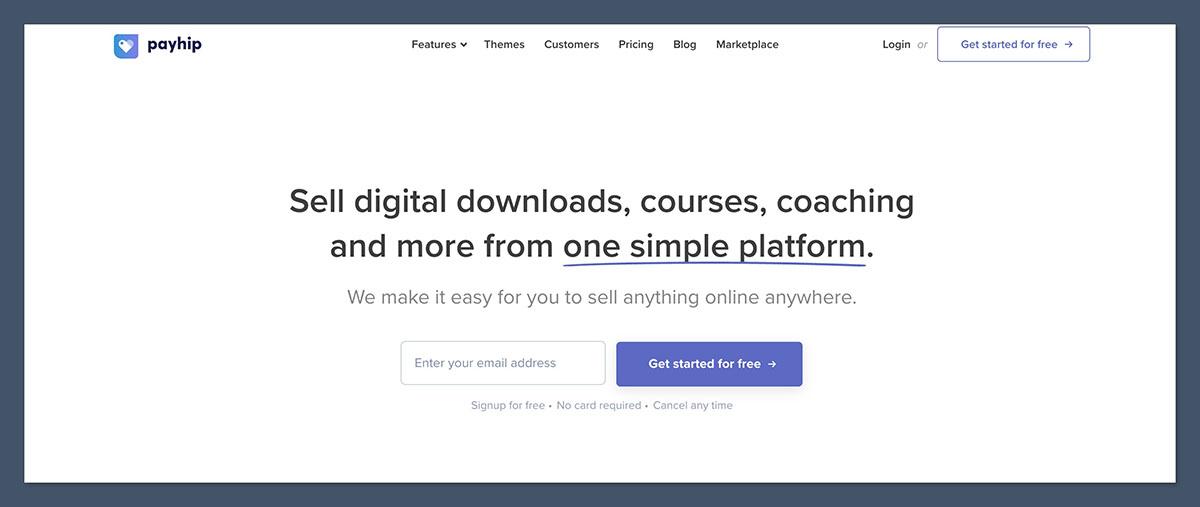
Pricing from: Free (5% transaction fee), with Plus at $29/month (2%) and Pro at $99/month (0%)Free option: Free forever plan with every feature includedStandout feature: All features on all plans, including the free one
Payhip is one of the closest matches to the Big Cartel philosophy on this list: built for independent creators, simple to use, and free to start. Where it pulls ahead is digital selling. While Big Cartel needs the paid Pulley app for digital products, Payhip handles digital downloads, online courses, coaching, memberships, and physical products natively.
Its pricing model is refreshingly different. Every plan includes every feature, with unlimited products and unlimited revenue; the only thing that changes is the transaction fee. The free plan charges 5% per sale, Plus at $29 per month drops that to 2%, and Pro at $99 per month removes Payhip’s fee entirely, with standard Stripe or PayPal processing applying throughout. Payhip also collects EU and UK VAT on digital sales automatically, which removes a genuinely painful compliance headache for anyone selling to European customers.
You can run Payhip as a standalone storefront or embed its checkout into an existing website, making it a flexible companion for creators who already have an audience elsewhere. The trade-offs are basic analytics and less design flexibility than full store builders.
Pros 👍
- Genuinely free plan with all features included
- Unlimited products and revenue on every tier
- Excellent for digital downloads, courses, and memberships
- Automatic EU and UK VAT handling on digital sales
- Embeddable checkout for existing websites
Cons 👎
- 5% fee on the free plan adds up as sales grow
- Basic analytics and limited design options
- Less suited to large physical-product catalogs
Why use Payhip in 2026? Its no-feature-gating model means a brand new creator gets the same toolkit as a six-figure seller, making it the lowest-risk way to start selling digital products today.
✅ Suitable for:
- Creators selling ebooks, courses, music, or design assets
- Sellers who loved Big Cartel’s free plan but need digital delivery
- Anyone selling digital goods to EU or UK customers
❌ Not suitable for:
- High-volume sellers staying on the 5% free plan
- Stores that need advanced analytics or design control
9. Shift4Shop
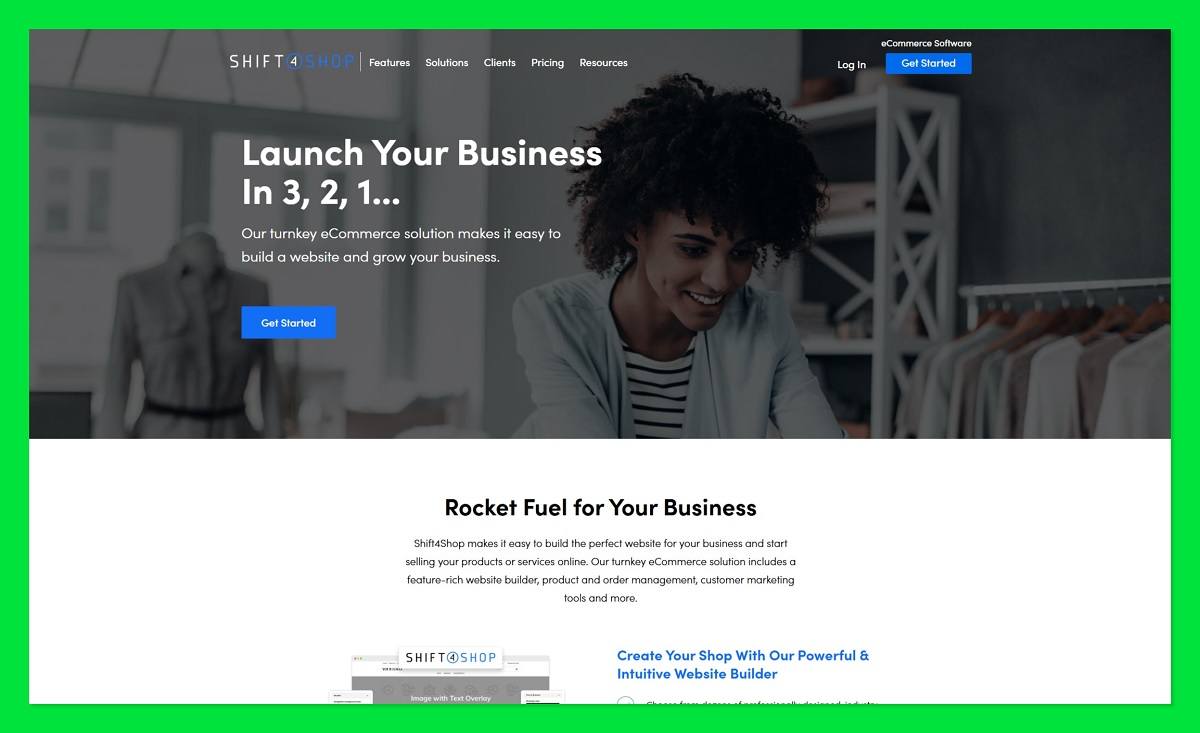
Shift4Shop is one of the more compelling eCommerce platforms on the market, offering excellent low prices, and absolutely no transaction fees. The Shift4Shop list of features span all the way from things like comprehensive admin control, to complete store customization. You also get excellent security built in.
Shift4Shop allows business leaders to accept more than 300 different payment providers, and access features like real-time shipping with leading partners. You get SEO-optimized pages, and plenty of options for cross-channel selling on social media.
Pricing 💰
For the first month, you won’t pay anything to build your store with Shift4Shop. After that, the basic package starts at around $29 per month, or you can downgrade to the cheapest product at only $19 per month. The more you need, the more you’ll pay. You also get a discount if you choose to pay annually.
Pros 👍
- Great for SEO and content marketing
- Lots of selling options and cross-channel selling
- Great for payment provider options
- Tons of customizations available
- Affordable pricing with no transaction fees
Cons 👎
- Some limitations for scalability
Best for ✅
If you’re looking for a highly flexible online selling solution that makes building your site easy, Shift4Shop is the perfect choice for you. This platform will give you everything from SEO functionality to state-of-the-art cross-channel selling
10. WooCommerce
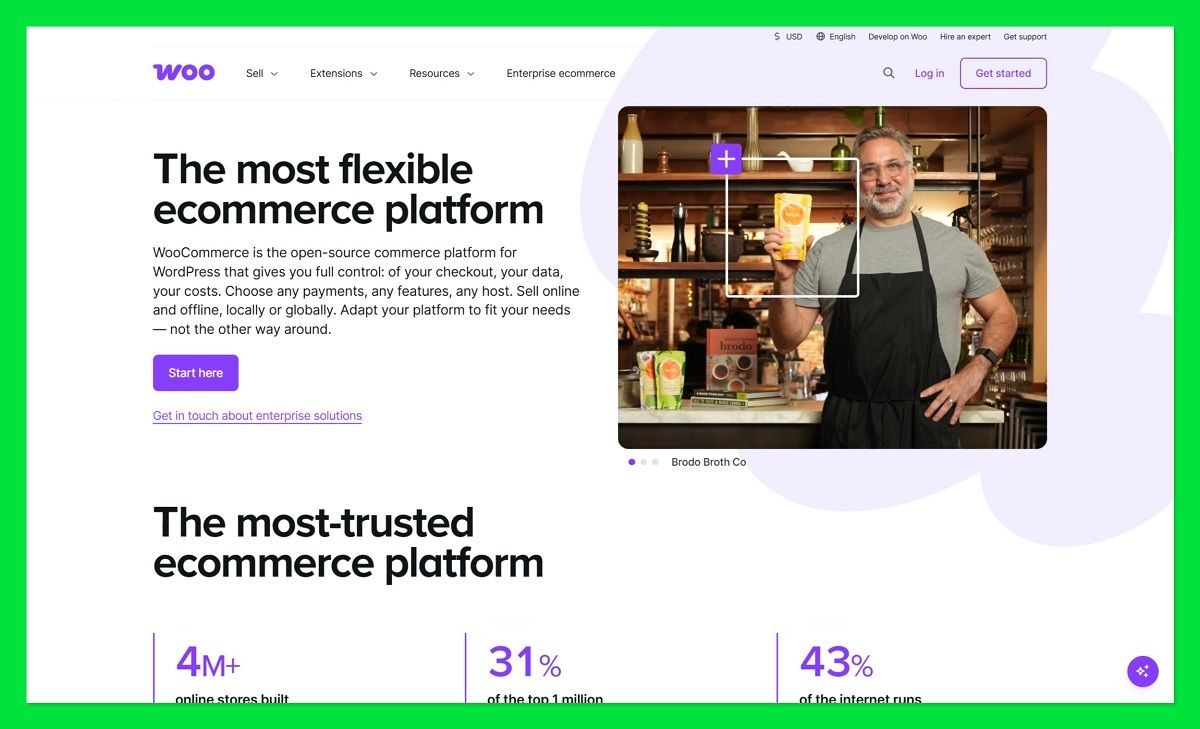
WooCommerce is a well-known alternative to Big Cartel, perfectly suited to companies that like the idea of open source technology, like Magento. WooCommerce is a plugin and checkout solution designed for use with WordPress. There’s no need for a free plan or demo, because the open-source solution is totally free to use.
WooCommerce transforms your WordPress site into one of the best ecommerce platforms, with various features for online selling. You can access the attractive and intuitive CMS of WordPress, with a modular store builder that adapts to suit you. WooCommerce also works with the other integrations and add-ons you can find on WordPress.
Pricing 💰
As mentioned above, WooCommerce is totally free to use as an open-source platform. You will need to pay any POS costs and PayPal transaction fees however. You’ll also need to invest in things like security for your store builder.
Pros 👍
- Works seamlessly with WordPress
- Excellent range of plugins and add-ons
- No fees to download and integrate
- Excellent for beginners
- Lots of customization and themes
- Extensive range of payment options
Cons 👎
- May require some developer knowledge
- Extra fees can add up
Best for ✅
WooCommerce is the obvious choice for a company that already has a WordPress site and wants to start selling online without relying entirely on eBay or Amazon. WooCommerce is easy to use, and it’s suitable for a range of sales strategies.
Conclusion
As you would have noticed above, there are plenty of Big Cartel alternatives for you to pick and choose from. I hope you will find a match for your requirements from the list above and wish you all the best.
Do you have anything to add here? Ideas? Suggestions? Questions? Please share via the comment form below.
How to Choose the Right Big Cartel Alternative
With this many options on the table, the right choice comes down to a few honest questions about your business:
What are you selling? If your focus is digital products, courses, or subscriptions, creator-first platforms like Sellfy and Payhip will serve you better than a general-purpose store builder. If you sell physical products and plan to grow a large catalog, Shopify, BigCommerce, or WooCommerce make more sense.
How big do you want to get? Big Cartel’s biggest weakness is its ceiling, so do not pick an alternative with the same problem. Squarespace and Square Online are great starting points but can feel limiting at scale. Shopify and BigCommerce are built to grow with you.
Do you already have a website? If you run a WordPress site, WooCommerce is the natural fit. If you have any existing site and just want to bolt on a store, Ecwid or Payhip’s embeddable checkout will get you selling without rebuilding anything.
What is your budget? If keeping costs at zero matters most, Square Online, Ecwid, and Payhip all offer free ways to start. Just pay attention to transaction fees, since a free plan with a percentage cut can end up costing more than a flat monthly subscription once sales pick up.
How much time do you want to spend on setup? Wix and Squarespace are the easiest to design with. WooCommerce offers the most control but expects a little more technical comfort in return.
There is no single winner here, only the best fit for your products, budget, and growth plans.
Frequently Asked Questions
Is Big Cartel really free?
Yes, Big Cartel’s Gold plan is free forever and lets you list up to 5 products with no transaction fees from Big Cartel itself. You will still pay standard payment processing fees to Stripe or PayPal. The catch is the tight limits: 5 products, minimal customization, and no discount codes or inventory tracking. Paid plans start at $15 per month for Platinum (50 products) and $30 per month for Diamond (500 products).
What is the best free alternative to Big Cartel?
Square Online, Ecwid, and Payhip all offer free plans that let you sell online without a monthly fee. Square Online is best if you also sell in person, Ecwid is best if you already have a website, and Payhip is best for digital products. Keep in mind that free plans typically involve transaction fees or feature limits, so compare the total cost against a paid plan once your sales grow.
What is the best Big Cartel alternative for artists and creators?
Sellfy and Payhip are the most natural fits for artists, musicians, and creators, since both are designed around digital products, print on demand, and simple storefronts. If you want more room to grow into a full brand with a large catalog and marketing tools, Shopify is the stronger long-term pick.
Is Shopify better than Big Cartel?
For most growing businesses, yes. Shopify offers unlimited products, a massive app store, multichannel selling, and far stronger marketing and shipping tools. Big Cartel wins on price and simplicity, so it remains a fine choice for hobbyists selling a small number of items. The moment you need more than the basics, Shopify justifies its higher monthly cost.
Can I migrate my store from Big Cartel to another platform?
Yes. Most major platforms, including Shopify, BigCommerce, and WooCommerce, support importing products via CSV export from Big Cartel, and migration services can handle the move for you if your catalog is larger. Before migrating, make a plan for redirecting your old URLs so you do not lose any search rankings you have built up.
Does Big Cartel charge transaction fees?
No, Big Cartel does not take a cut of your sales on any plan. You only pay your monthly subscription plus the standard processing fees from Stripe or PayPal. Several alternatives, like Shift4Shop and Sellfy, also skip platform transaction fees, while others, like Payhip’s free plan, charge a percentage per sale instead of a subscription.


