If you’re looking to sell music or merchandise online, two of the biggest names you’ll come across are Shopify and Bandcamp.
These platforms are popular for different reasons, but both can help artists, labels, and music entrepreneurs launch a digital storefront.
In this detailed comparison, I’ll walk you through everything you need to know, from pricing and product setup to features, audience reach, and long-term growth options.
After working with both Shopify and Bandcamp hands-on, I’ve learned that they serve very different purposes.
If you’re after a music-first storefront with built-in fan discovery and minimal setup, Bandcamp is a strong choice.
But if you’re building a full ecommerce business around your music, merchandise, and brand, Shopify offers far more flexibility and control.
Let’s explore how they compare across the categories that matter most to sellers.
Shopify vs Bandcamp: Quick Summary
| Feature | Shopify | Bandcamp |
|---|---|---|
| Built-in audience | No | Yes |
| Ecommerce flexibility | High | Low |
| Digital product support | Yes (via apps) | Yes (native) |
| Merch support | Yes | Yes |
| Custom domain | Yes | No |
| Checkout control | Full | Limited |
| Revenue model | Subscription + fees | Revenue share |
| Ideal for | Brands, creators, ecommerce-first artists | Musicians, small labels, low-cost selling |
Shopify is built for sellers who want a fully branded online store. You can design everything, set up custom product pages, optimize for SEO, and scale your operation with apps and integrations.
Bandcamp, on the other hand, is built specifically for music and doesn’t require any upfront cost. You can upload your tracks, set your prices, and get access to a community of music fans ready to discover new artists.
1. Pricing: Revenue Share vs Subscription Model
Shopify and Bandcamp use very different pricing structures. One uses a flat monthly subscription, while the other takes a percentage of your revenue.
Shopify Pricing
Shopify charges a monthly fee for access to its platform. You can choose from several plans depending on your needs, and the pricing drops if you pay annually.
| Plan | Monthly Cost | Annual Cost | Additional Transaction Fee |
|---|---|---|---|
| Basic | $39 | $29.25/month | 2.0% (if not using Shopify Payments) |
| Shopify (Grow) | $105 | $78.75/month | 1.0% |
| Advanced | $399 | $299.25/month | 0.6% |
| Plus | $2,300+ | Custom | Custom |
Keep in mind that you’ll also need to budget for paid apps, premium themes, and potentially third-party services like email marketing or digital download tools.
Bandcamp Pricing
Bandcamp doesn’t charge a monthly fee. Instead, it takes a percentage of each sale.
- 15% on digital sales (drops to 10% after $5,000 in total sales)
- 10% on physical merch
- Payment processing fees:
- 5% + $0.06 for orders $8.06 or less
- 2.9% + $0.30 for orders above $8.07
- 2% FX fee for international transactions (if applicable)
This model works well if you’re just starting out or sell infrequently. You don’t pay unless you sell, and there’s no upfront cost to launching a page.
Verdict
If you’re running a growing operation with frequent sales, Shopify becomes more cost-effective long-term. If you’re just experimenting or want to keep overheads low, Bandcamp is hard to beat on price.
2. Sales and Product Features
Shopify Sales Features
Shopify provides a complete ecommerce toolkit. With the right setup, you can sell anything — digital albums, vinyl, T-shirts, memberships, bundles, subscriptions, and more.
Key sales features include:
- Full product page customization
- Support for digital products via apps
- Inventory tracking and shipping management
- Built-in SEO tools and analytics
- Cart recovery and upselling options
- Omnichannel sales: Facebook, Instagram, Google Shopping, Amazon, and more
- Multiple payment gateways (over 100 options globally)
To sell digital music or downloads, you’ll typically use apps like Single, Sky Pilot, or Shopify’s Digital Downloads app. These tools let you deliver MP3s or ZIP files securely to customers after purchase.
Shopify doesn’t include discovery tools or a fan base. You’ll need to bring your own traffic, whether that’s through social media, ads, SEO, or email marketing.
Bandcamp Sales Features
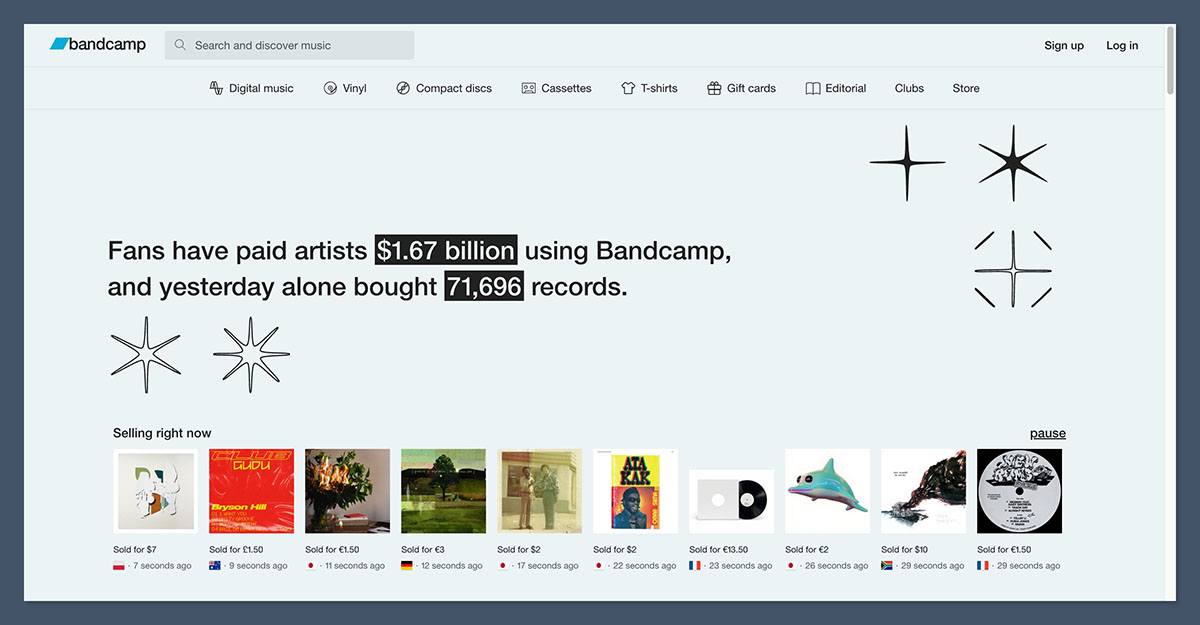
Bandcamp is built from the ground up for musicians. Everything from the layout to the tools focuses on helping you sell and stream music directly to fans.
Key sales features include:
- Upload and sell individual tracks or full albums
- Built-in streaming for previews and purchases
- “Pay what you want” pricing
- Support for vinyl, CDs, apparel, cassettes, and posters
- Built-in email marketing and fan communication tools
- Integrated music discovery (genre tags, fan recommendations)
- Artist dashboard with sales reports and fan data
You don’t need apps or extra tools to start selling. The platform is turnkey and efficient for music sales.
Verdict
Shopify gives you more ecommerce power and product flexibility, while Bandcamp offers a frictionless path to selling music with an audience already built in.
3. Design and Branding
Shopify Design Tools
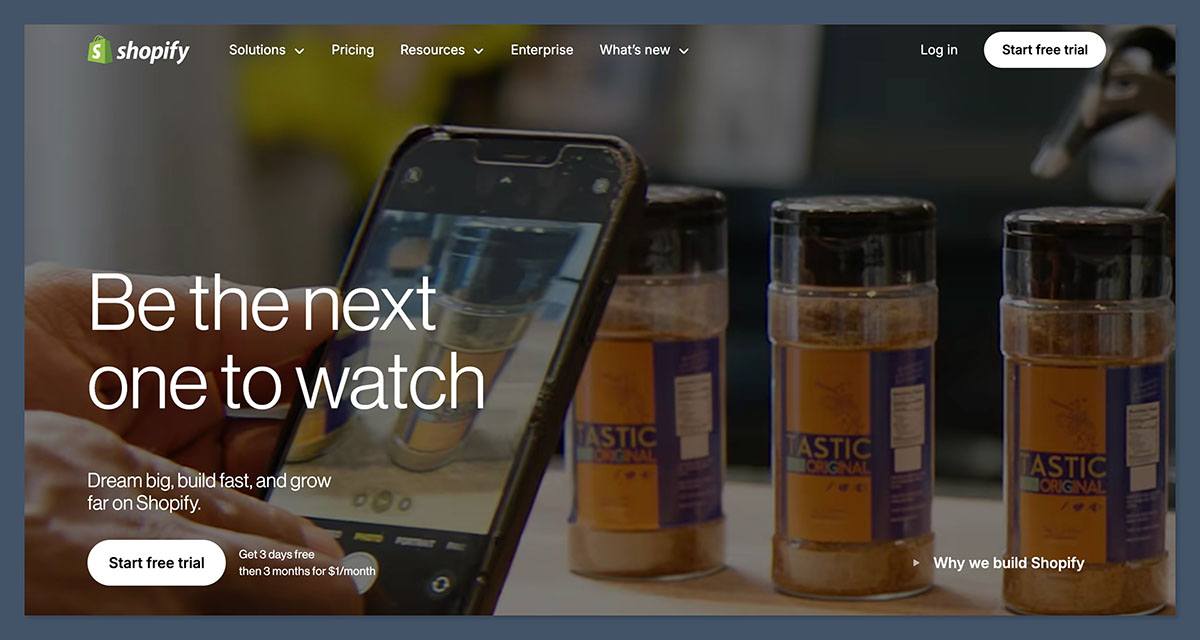
Shopify gives you a fully branded, standalone website on your own domain. You can choose from hundreds of templates or build a custom storefront using the section-based editor.
Design features include:
- Full theme customization
- Drag-and-drop sections
- Mobile responsiveness
- Branding control across every page
- Access to code for developers
You can customize product pages, checkout, and navigation, giving your store a unique feel that aligns with your brand identity.
Bandcamp Page Design
Bandcamp gives you a standard artist profile with limited customization. You can upload a profile photo, banner, and choose accent colors, but that’s where it ends.
Design limitations:
- No custom domain
- No real control over layout or theme
- Storefront looks like every other Bandcamp page
The upside is that setup is quick and everything is optimized for music fans. But if you want a fully branded experience, Shopify is far more capable.
4. Audience and Traffic
Bandcamp’s Built-In Audience
This is where Bandcamp really shines. Fans come to Bandcamp to discover new artists, follow genres, and support musicians directly.
As an artist, your music can show up in:
- Tag-based search results (e.g. “lo-fi,” “ambient,” “instrumental hip hop”)
- Fan collections (when someone buys your music)
- Editorial features on Bandcamp Daily
- Community recommendations and “fan favorites”
You don’t need to run ads or set up SEO to start getting listens and sales. If your music resonates, Bandcamp does some of the discovery work for you.
Shopify Requires You to Drive Traffic
Shopify gives you the tools, but you’re responsible for bringing the audience. That means investing in:
- Search engine optimization (SEO)
- Social media marketing
- Paid ads (Google, Facebook, Instagram)
- Email marketing
- Content creation (blogs, videos, interviews)
If you already have a fanbase or audience, Shopify lets you fully capitalize on it. If you’re starting from scratch, Bandcamp has the advantage.
5. Checkout Experience and Payment Options
Shopify Checkout and Payment Flexibility
Shopify has one of the most optimized checkout experiences in the ecommerce world. It’s fast, secure, and highly customizable.
Payment options include:
- Shopify Payments (credit/debit, Apple Pay, Google Pay)
- PayPal, Stripe, Amazon Pay, and other third-party gateways
- Multi-currency and local payment support
- Custom checkout fields, upsells, and post-purchase offers
You can configure taxes, shipping rules, discount codes, and fulfillment options exactly how you want.
Bandcamp Checkout Process
Bandcamp has a simple checkout flow that works well for music buyers. You can pay via credit card or PayPal. Taxes and shipping are calculated automatically.
However, you don’t get to customize much of the process. There are no upsells, no customer tags, no abandoned cart emails unless you use third-party tools off-platform.
6. Marketing and Growth Tools
Shopify’s Growth Ecosystem
Shopify has a vast app ecosystem with over 8,000 integrations. You can grow your store using tools for:
- SEO and content marketing
- Email campaigns (e.g. Klaviyo, Omnisend, Shopify Email)
- Upsells, cross-sells, and product bundles
- Retargeting ads on social media
- Influencer and affiliate marketing
You also get detailed analytics, conversion reports, and tools to segment your customer base.
Bandcamp’s Artist-Friendly Marketing Tools
Bandcamp offers simple tools focused on fan engagement:
- Email notifications to followers
- Community messages to past buyers
- Bandcamp Daily features and editorials
- Social sharing tools and embeddable players
- Ability to create discount codes and pre-orders
For indie artists, this is often enough to start building a loyal following. But if you need advanced marketing or CRM tools, you’ll eventually outgrow what Bandcamp offers.
Final Verdict: Should You Use Shopify or Bandcamp?
There’s no single winner: the best choice depends entirely on your goals, your audience, and your business model.
Use Bandcamp if you:
- Are a musician selling digital music and simple merch
- Want built-in discovery and fan reach
- Prefer a low-maintenance store setup
- Don’t need full control over design or checkout
- Want to test the waters before committing to a full site
Use Shopify if you:
- Are building a long-term brand
- Sell music, merch, digital products, or bundles
- Want complete control over your site, checkout, and marketing
- Have or plan to build your own traffic sources
- Need ecommerce flexibility and room to scale
Personally, I recommend starting with Bandcamp if you’re new to selling music. You can validate your offers, build an audience, and generate revenue without monthly costs.
As you grow, Shopify becomes a much better fit for managing a catalog, scaling your brand, and building a standalone presence that you own and control.


